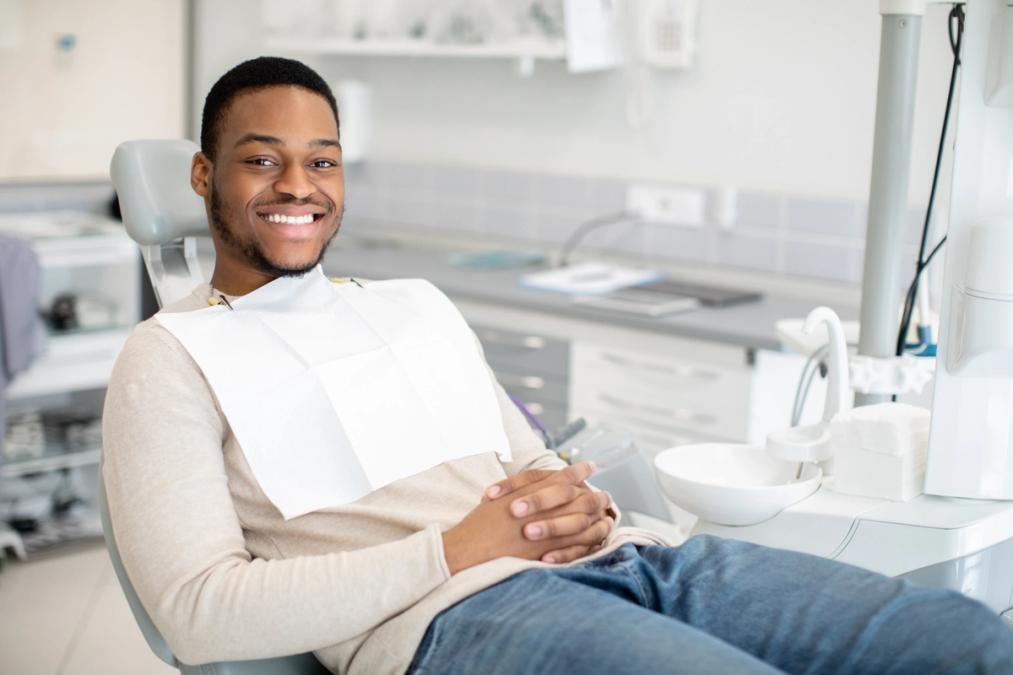
Have you noticed that your teeth look darker in photos, even though you brush every day? Coffee, tea, red wine, richly colored foods, tobacco, aging, and normal enamel changes can gradually alter tooth color. Fortunately, professional teeth whitening in Santa Ana can lift many common stains while keeping the process supervised, personalized, and comfortable.
At Bristol Modern Dentistry & Orthodontics, professional teeth whitening is planned around your starting shade, oral health, sensitivity history, and schedule. Some patients prefer an in-office treatment for faster improvement, while others choose custom take-home trays for more control. Both approaches can be effective, but the best choice depends on the type of discoloration and the result you want to achieve.
Why Teeth Become Stained Over Time
Tooth color is influenced by more than brushing habits. The outer layer of a tooth, called enamel, is naturally translucent. Beneath it is dentin, which has a warmer yellow tone. As enamel becomes thinner with age, more of the underlying dentin may show through. In addition, stain-producing particles can settle into the microscopic surface of enamel.
External stains are commonly associated with coffee, black tea, red wine, dark sauces, berries, tobacco, and certain spices. These stains often respond well to professional teeth whitening because the whitening ingredients can break apart concentrated color molecules. However, stains that develop inside a tooth may require a different cosmetic plan.
For example, a tooth that darkened after an injury may not whiten at the same pace as the surrounding teeth. Certain medications taken while teeth were developing can also create deeper bands of discoloration. Likewise, dental crowns, veneers, bonding, and tooth-colored fillings do not change shade with whitening. A dental evaluation helps determine whether whitening alone is likely to create an even result.
How Professional Teeth Whitening Works
Professional teeth whitening uses peroxide-based gel to break down stain molecules within the tooth structure. As those molecules become smaller, they reflect less concentrated color, and the teeth appear brighter. The process does not scrape or sand away enamel. Instead, it creates a chemical reaction that changes the appearance of stains.
In-office whitening is designed for patients who want a noticeable change within a shorter appointment. The dental team protects the gums and soft tissues before applying professional whitening gel. The gel is then used in controlled intervals, allowing the response of the teeth to be monitored. Depending on your starting shade and sensitivity, treatment may include more than one application during the visit.
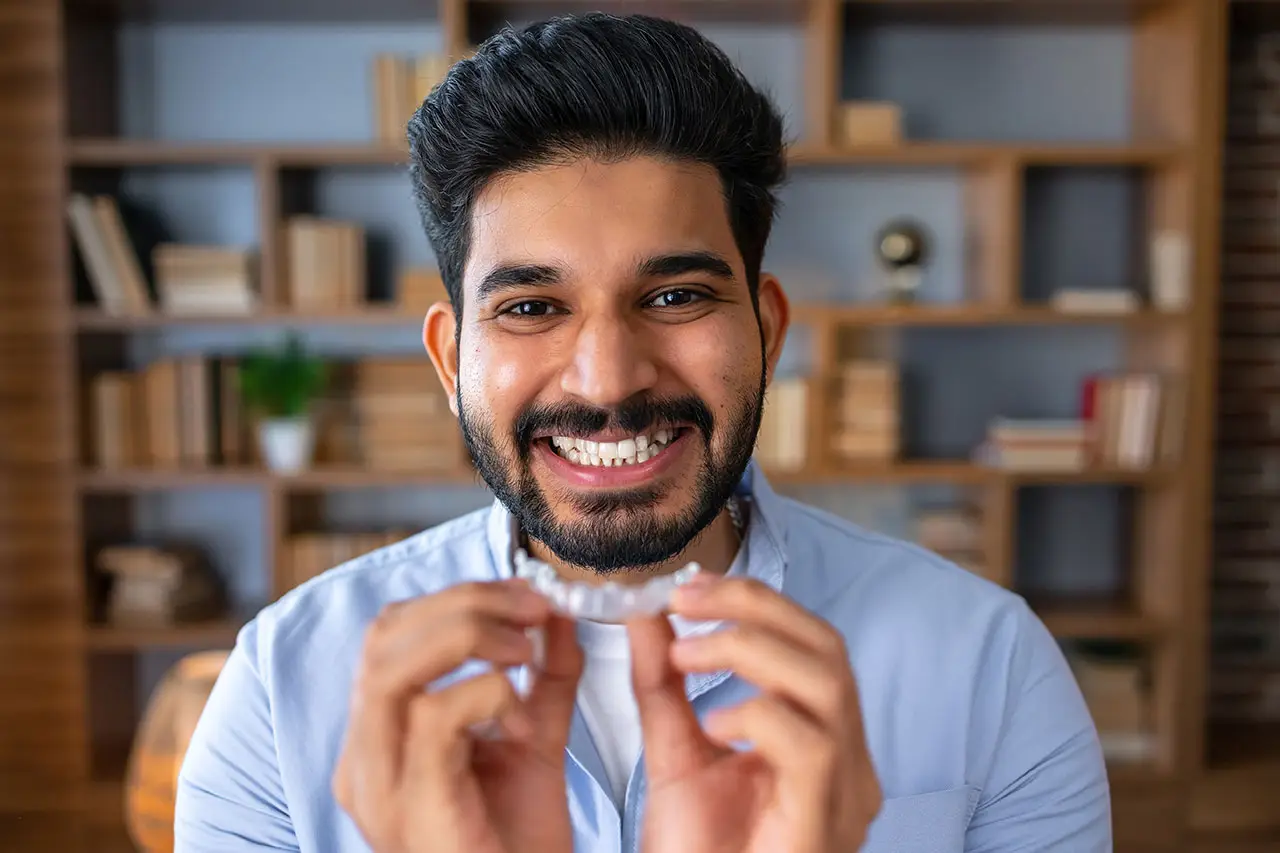
Custom take-home whitening uses trays made to fit closely around your teeth. Because the trays are personalized, they help keep whitening gel positioned where it belongs and reduce unnecessary contact with the gums. Patients wear the trays according to specific instructions, usually for a set amount of time over several days or weeks. This option works well for people who prefer gradual whitening or want to refresh previous results.
How Long Do Teeth Whitening Results Last?
Professional teeth whitening results can last a long time, but whitening is not permanent. Your daily habits continue to influence tooth color after treatment. Someone who frequently drinks coffee, tea, or red wine may notice stains returning sooner than someone who rarely consumes dark beverages. Tobacco use can also shorten the lifespan of whitening results.
Many patients maintain a brighter shade for one to three years, although individual results vary. Touch-up treatments can help preserve the appearance without repeating an entire whitening process. Patients with custom trays may be able to use them periodically with fresh gel, as directed by the dentist.
Good oral hygiene also matters. Brushing twice daily, cleaning between the teeth, and attending routine professional cleanings help remove plaque and surface deposits that can make teeth appear dull. However, aggressive brushing is not a substitute for whitening. Scrubbing too hard or using highly abrasive products may irritate the gums and wear the enamel surface over time.
Is Professional Teeth Whitening Worth It?
Value depends on what matters most to you. Professional teeth whitening may be worthwhile when you want predictable guidance, a stronger whitening system than many store products, and support if sensitivity develops. It can also be a practical first step before other cosmetic treatment because the final tooth shade may influence the color selected for crowns, veneers, or bonding.
Store-bought strips and gels can improve mild staining, but the fit and strength are standardized. As a result, the product may not contact every tooth evenly, especially when teeth overlap or rotate. Gel may also touch the gums if the strip shifts. Professional treatment allows the dentist to evaluate your smile first, identify restorations that will not whiten, and choose an approach that fits your needs.
Professional teeth whitening is not about creating an artificial shade. Instead, the goal is to brighten the natural teeth in a way that complements your features. During a consultation, you can discuss how much change you want and whether a gradual or faster approach feels more appropriate.
Benefits of Professional Teeth Whitening
- Personalized treatment planning: Your starting shade, stain type, sensitivity, and dental history guide the whitening plan.
- More even gel placement: In-office isolation or custom-fit trays help the whitening material contact the intended tooth surfaces.
- Professional supervision: The dental team can adjust treatment when sensitivity or gum irritation becomes a concern.
- Stronger stain removal: Professional products can address many common food, drink, and tobacco stains more effectively than basic whitening toothpaste.
- Flexible options: Patients may choose an in-office visit, custom take-home trays, or a combination based on timing and goals.
- Coordinated cosmetic care: Whitening can be planned before crowns, veneers, or bonding so the final restoration shade matches the brighter smile.
- Maintenance guidance: Clear instructions help patients protect their results and use touch-up treatment appropriately.
Who Is a Good Candidate for Teeth Whitening?
Many adults with healthy teeth and gums are candidates for professional teeth whitening. However, an exam is important before treatment. Cavities, leaking fillings, exposed root surfaces, or gum inflammation can increase sensitivity. Treating active dental concerns first can make whitening safer and more comfortable.
Whitening is generally most effective on natural enamel with yellow or light brown discoloration. Gray tones, deep internal stains, and a single dark tooth can be more challenging. That does not mean cosmetic improvement is impossible. Instead, the dentist may discuss alternative or combined treatments through cosmetic dentistry.
Pregnant or nursing patients are often advised to postpone elective whitening. Patients with extensive crowns, veneers, or bonding across the visible smile should also plan carefully because these materials will not lighten. In some situations, whitening the natural teeth first and then updating selected restorations creates the most balanced result.
What About Tooth Sensitivity?
Temporary sensitivity is the most common concern associated with teeth whitening. It may feel like a quick response to cold air, water, or sweet foods. Sensitivity occurs because whitening temporarily increases movement through microscopic pathways in the tooth. For most patients, it settles after treatment is paused or completed.
A history of sensitive teeth does not automatically rule out whitening. The dentist may recommend a lower concentration, shorter wear time, more space between treatments, or sensitivity toothpaste before and after whitening. Custom trays also allow the amount of gel to be controlled. Using more gel than directed will not necessarily whiten faster, but it can increase gum irritation and sensitivity.
Contact the dental office if discomfort is intense, lasts longer than expected, or affects one tooth much more than the others. A localized reaction may point to a cavity, crack, exposed root, or another issue that needs evaluation.
How to Keep Your Smile Brighter
For the first day or two after whitening, teeth can be more likely to pick up concentrated pigments. It helps to limit dark drinks and foods during this period. When you do enjoy coffee, tea, or another staining beverage, drinking water afterward can reduce how long pigments remain in contact with the teeth. A straw may reduce contact for some cold beverages, although it will not eliminate staining completely.
Routine cleanings are also important because hardened deposits and surface stain cannot always be removed at home. Meanwhile, whitening toothpaste may help control mild surface stain, but it should be used as directed. Highly abrasive charcoal powders and harsh do-it-yourself mixtures can wear enamel or irritate the gums.
Finally, avoid frequent unsupervised whitening. More treatment is not always better. Once teeth reach their natural response limit, additional gel may increase sensitivity without creating a meaningful shade change. A dentist can recommend a reasonable touch-up schedule based on your habits and previous results.
Frequently Asked Questions About Professional Teeth Whitening
Can teeth whitening damage enamel?
When professional whitening is selected and used appropriately, it is designed to brighten teeth without removing enamel. Following the recommended treatment time and amount of gel is important.
Will whitening work on crowns or fillings?
No. Whitening gel changes the shade of natural tooth structure, but it does not lighten crowns, veneers, bonding, or fillings. These restorations may need to be evaluated after whitening if they no longer match.
How white will my teeth become?
The result depends on your starting shade, stain type, enamel, and treatment response. The goal is a brighter natural appearance, not a single identical shade for every patient.
Should I whiten before a crown or veneer?
Often, yes. Whitening first can establish the shade that will be used to match a new visible restoration. Your dentist can recommend the correct timing because tooth color needs time to stabilize after whitening.
Can I whiten if I have sensitive teeth?
Possibly. A customized schedule, sensitivity toothpaste, and professional monitoring may make treatment more comfortable. An exam should rule out decay, cracks, and exposed root surfaces first.
Plan a Brighter Smile in Santa Ana
A brighter smile can be a simple change, but the safest plan begins with understanding why the teeth look darker and how existing dental work will affect the result. Professional teeth whitening offers controlled treatment, personalized guidance, and options that can fit a busy schedule.
Ready to learn which whitening approach may suit your smile? Contact Bristol Modern Dentistry & Orthodontics in Santa Ana at (657) 215-2488 to Schedule a Consultation, or Contact Us online.