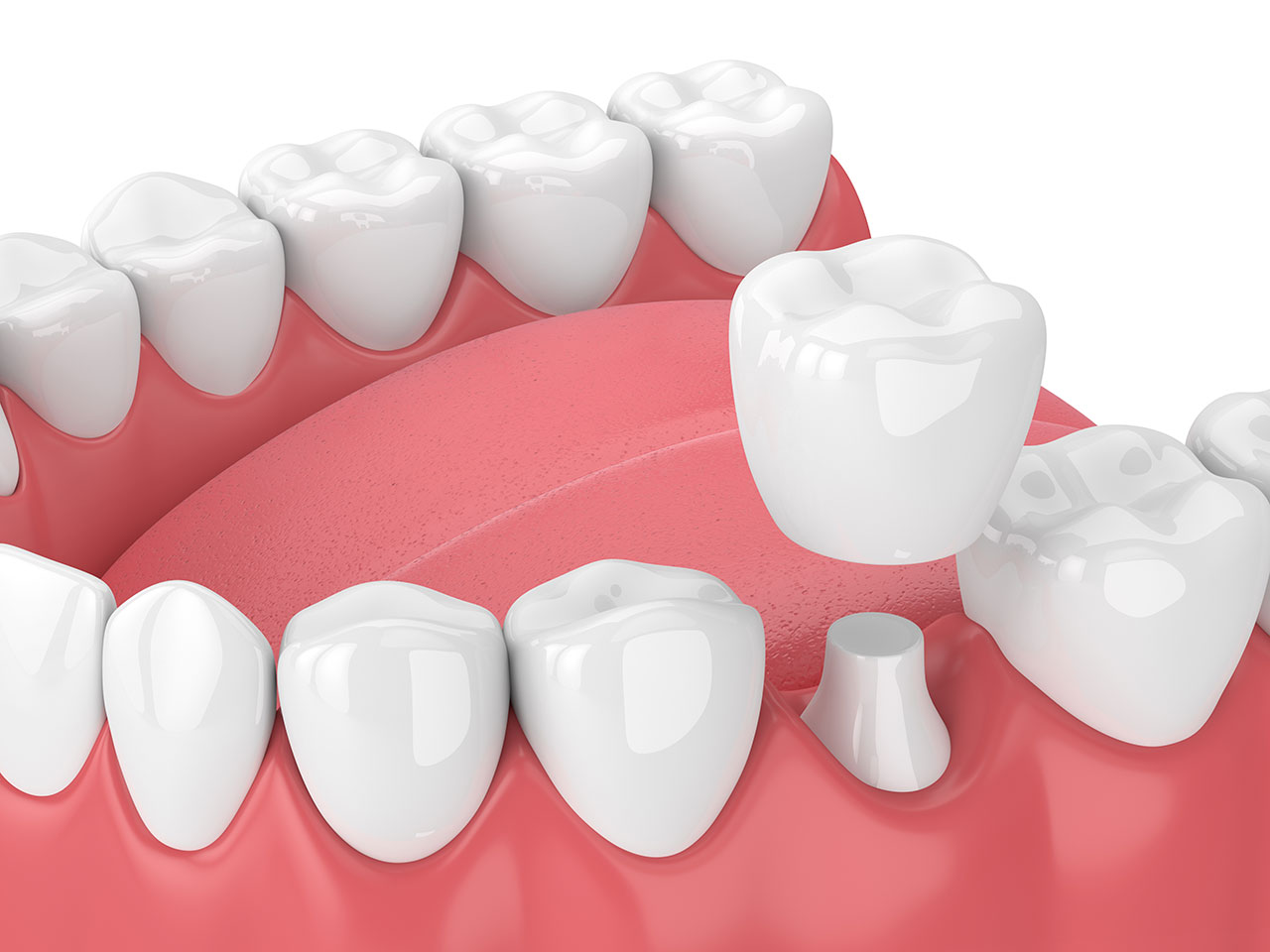
A cracked tooth can be surprisingly difficult to recognize. You may feel a quick sting when biting, notice sensitivity to cold, or sense that something is simply not right. In many cases, a custom dental crown in Santa Ana can surround and protect the weakened tooth before the crack becomes more serious.
However, not every crack requires the same treatment. A tiny surface line may only need monitoring, while a deeper fracture can involve the inner nerve or extend below the gumline. At Bristol Modern Dentistry & Orthodontics, the first goal is to identify the type of crack, understand how much healthy tooth remains, and determine whether the tooth can be preserved comfortably.
Why Teeth Crack
Teeth are strong, but they absorb pressure every day. A crack can develop when biting a hard object, chewing ice, opening packaging with the teeth, or experiencing an accident. Large fillings can also leave less natural tooth structure available to handle chewing forces. Over time, repeated stress may create a weak point.
Clenching and grinding are another common factor. The pressure from nighttime grinding can exceed normal chewing pressure, especially on back teeth. A patient may not realize grinding is happening until a tooth becomes sore, a filling breaks, or the edges of several teeth begin to flatten.
Temperature changes may contribute as well. For example, switching quickly between very hot and very cold foods can cause tooth materials to expand and contract at different rates. This does not mean one hot drink will crack a healthy tooth, but repeated stress can matter when the tooth is already weakened.
Common Signs of a Cracked Tooth
Cracked-tooth symptoms can come and go, which is one reason people delay treatment. The tooth may feel fine most of the day and hurt only when pressure lands at a certain angle. In addition, dental X-rays do not always show a fine crack clearly. A careful clinical exam is often needed.
- Pain when biting or when releasing the bite
- Cold sensitivity that feels sharper than usual
- Discomfort with sweet foods or hot drinks
- A rough edge or a piece of tooth that feels loose
- Swelling or tenderness near one tooth
- Intermittent pain that is difficult to locate
- A visible line, chip, or fracture
These symptoms can also occur with cavities, loose fillings, gum problems, or an inflamed tooth nerve. Therefore, a diagnosis should come before treatment. If pain is severe, swelling is present, or the tooth broke suddenly, contact an emergency dentist in Santa Ana promptly.
Different Types of Tooth Cracks
Dental professionals use several terms to describe cracks. Understanding them can make the treatment discussion easier.
Craze Lines
Craze lines are shallow lines limited to the enamel. They are common in adult teeth and often do not cause pain. In many cases, they only need monitoring. Cosmetic treatment may be considered when the lines affect appearance, but a crown is not automatically necessary.
Fractured Cusp
A fractured cusp occurs when part of the chewing surface breaks, often around a large filling. The inner nerve may remain protected, so symptoms can be mild. Depending on the amount of tooth lost, an onlay or dental crown may restore strength and shape.
Cracked Tooth
A true cracked tooth has a fracture that starts on the chewing surface and extends downward. The crack may irritate the nerve and create pain during biting. Early treatment is important because the crack can spread. A crown is often recommended to hold the tooth together and distribute chewing pressure.
Split Tooth
A split tooth has separated into distinct segments. Unfortunately, a full split often means the entire tooth cannot be saved. In some multirooted teeth, one section may occasionally be preserved, but extraction and replacement may be the more predictable plan.
Vertical Root Fracture
A vertical root fracture begins below the gumline and travels upward. Symptoms may be limited until the surrounding gum or bone becomes inflamed. These fractures are more common in teeth that have had root canal treatment. Treatment depends on the location and extent of the fracture.
When a Dental Crown Can Help
A dental crown is a custom restoration that covers the visible portion of a tooth. For a cracked tooth, the crown acts like a protective shell. It helps reduce flexing between weakened sections and spreads biting forces across the restoration rather than concentrating pressure along the crack.
A crown may be recommended when the tooth has a significant crack, a large existing filling, a broken cusp, or extensive wear. It may also be used after root canal therapy because a back tooth without a living nerve can become more brittle. The crown does not erase the crack, but it can stabilize the remaining structure and lower the risk of additional breakage.
Timing matters. A crack that remains above the gumline and has not severely damaged the nerve may be easier to protect. If the crack extends deeply into the root or separates the tooth, a crown may no longer be enough. This is why ongoing pain should not be ignored.
Benefits of Dental Crowns for Cracked Teeth
- Structural support: A crown surrounds weakened tooth structure and helps reduce flexing during chewing.
- Restored function: The restoration rebuilds the shape needed for comfortable biting and chewing.
- Protection from further breakage: Covering vulnerable cusps can reduce the chance that another section will fracture.
- Improved comfort: Stabilizing the tooth may reduce biting pain and sensitivity when the nerve remains healthy.
- Natural appearance: Modern crown materials can be selected to blend with nearby teeth.
- Preservation of the natural tooth: When treatment begins early enough, a crown may help avoid extraction.
- Customized bite: Digital planning and careful adjustment help the crown fit the way the upper and lower teeth meet.
Does a Cracked Tooth Need a Root Canal Too?
Not every cracked tooth needs root canal treatment. If the crack has not caused lasting inflammation or infection inside the tooth, a crown may be enough. However, root canal therapy may be recommended when the nerve has been significantly irritated or infected.
Symptoms that can suggest nerve involvement include lingering sensitivity to heat or cold, spontaneous throbbing, pain that wakes you at night, or swelling. During root canal treatment, the inflamed or infected tissue inside the tooth is removed, and the internal space is cleaned and sealed. A crown is then commonly used to protect the tooth from future fracture.
Sometimes a dentist places a temporary crown or protective restoration first and monitors symptoms. In other situations, testing shows that root canal treatment should happen before the final crown. The sequence depends on the diagnosis, not on a one-size-fits-all rule.
What Happens During Dental Crown Treatment?
Crown treatment begins with an exam and diagnostic images. The dentist evaluates the crack, checks the bite, tests the nerve response, and looks for signs of infection. If a crown is appropriate, the damaged tooth is shaped so the restoration can fit over it with enough strength and clearance.
A digital impression records the prepared tooth and nearby bite. Unlike traditional impression material, digital scanning creates a detailed three-dimensional model on a screen. The information is used to design a crown with the correct contours, contact points, and shade.
While the permanent crown is being made, a temporary crown protects the tooth. The temporary should be treated carefully because it is not as strong as the final restoration. Avoid sticky foods and chew cautiously on that side. Flossing technique may also need to be adjusted so the temporary crown is not pulled loose.
At the placement visit, the dentist removes the temporary, checks the fit, evaluates the bite, and confirms the appearance. The final crown is then bonded or cemented in place. Mild gum tenderness or brief sensitivity can occur at first, but persistent pain or a bite that feels too high should be reported.
Crown Materials for Front and Back Teeth
The ideal crown material depends on the location of the tooth, the strength required, the available space, and appearance goals. Back teeth experience heavy chewing forces, so durability is especially important. Front teeth are highly visible, which makes color, translucency, and natural light reflection important.
Bristol Modern Dentistry & Orthodontics offers premium crown materials, including zirconia for strength and lithium disilicate for a natural-looking appearance. The dentist can explain which material is appropriate for the cracked tooth and why. No material is best for every situation.
What to Do Before Your Appointment
If you think a tooth is cracked, stop chewing hard foods on that side. Avoid ice, nuts, hard candy, popcorn kernels, and other foods that can place concentrated pressure on a weak area. Keep the tooth clean with gentle brushing and flossing, but do not repeatedly test it by biting down.
If a piece of tooth has broken off, save it in a clean container and bring it to the appointment. The fragment may not be reusable, but it can help the dentist understand what happened. Over-the-counter pain medication may help when used according to the label and your medical provider’s guidance, but do not place aspirin directly against the tooth or gum.
Seek urgent help when a cracked tooth is accompanied by facial swelling, fever, uncontrolled bleeding, difficulty swallowing, or difficulty breathing. Breathing or swallowing problems require immediate medical attention.
How to Protect a Crown and the Tooth Beneath It
A crown still needs daily care because the tooth remains vulnerable where the restoration meets the natural structure. Brush twice a day with fluoride toothpaste and clean between the teeth every day. Routine dental visits allow the crown margins, bite, and surrounding gums to be checked.
If you clench or grind, a nightguard may help protect the crown and other teeth. Avoid using teeth as tools, and be cautious with extremely hard foods. Although crowns are designed for normal chewing, no restoration is indestructible.
Contact the dental office if the crown feels loose, develops a rough edge, traps food, or causes a new bite change. Early adjustment may prevent a small concern from becoming a larger one.
Frequently Asked Questions About Crowns for Cracked Teeth
Can a cracked tooth heal on its own?
No. Enamel and dentin do not knit back together like bone. Treatment can stabilize the tooth, protect the nerve, and restore function, but the crack itself does not naturally close.
How urgent is a cracked tooth?
A crack should be evaluated promptly, especially when there is biting pain, temperature sensitivity, swelling, or a missing piece. Fast care may improve the chance of preserving the tooth.
Can a crown stop all cracked-tooth pain?
A crown may reduce pain caused by flexing, but it cannot guarantee that the nerve will recover. If the nerve is irreversibly inflamed or infected, root canal treatment may also be needed.
How long does a dental crown last?
Crown longevity varies with material, bite forces, oral hygiene, diet, grinding, and maintenance. Regular exams help identify wear or margin problems early.
What happens if the tooth cannot be saved?
When a crack extends too deeply, extraction may be recommended. Replacement options can include a dental implant or another restoration based on your health, goals, and available bone.
Protect a Cracked Tooth Before It Worsens
Intermittent discomfort can be easy to dismiss, but a cracked tooth may continue to weaken even when pain temporarily fades. An early evaluation can clarify whether the tooth only needs monitoring, a crown, root canal treatment, or another form of care.
For an evaluation of a cracked or broken tooth, contact Bristol Modern Dentistry & Orthodontics at 707 N Bristol St # H in Santa Ana. Call Us Today at (657) 215-2488 to Book an Appointment and learn whether a dental crown can protect your tooth.