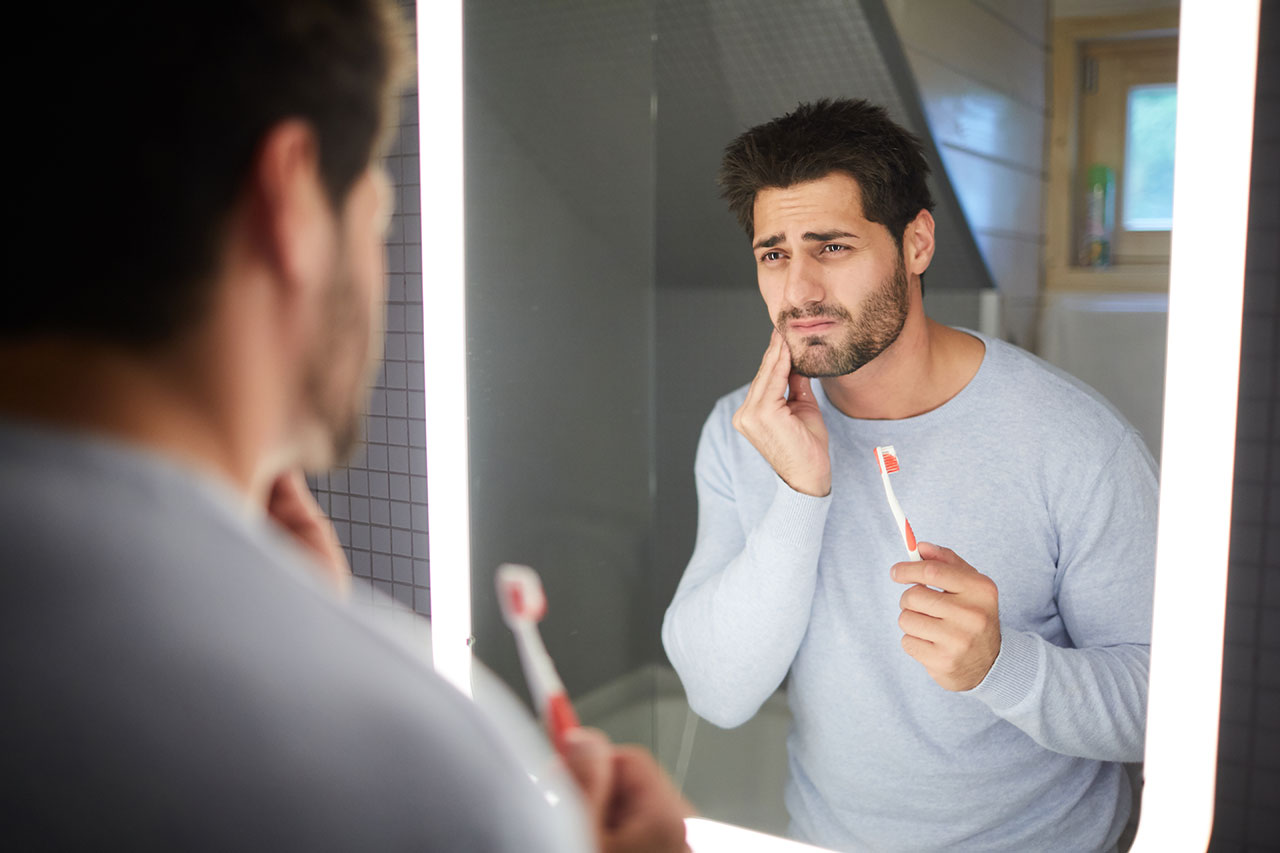
A filling can fall out during lunch, or a crown can loosen while you are brushing before bed. Even when the tooth does not hurt, the sudden gap can feel alarming. Prompt emergency dentistry in Santa Ana can determine why the restoration failed, protect the exposed tooth, and reduce the chance of further damage.
At Bristol Modern Dentistry & Orthodontics, patients with lost fillings, loose crowns, broken restorations, severe sensitivity, or sudden tooth pain can call for guidance. Some situations need same-day care, while others can be scheduled soon without an after-hours visit. The safest choice depends on pain, swelling, the condition of the tooth, and whether the restoration is still attached.
Why Fillings and Crowns Come Loose
Dental restorations are built to handle normal chewing, but they are not permanent. A filling may wear, chip, or separate as the tooth flexes over time. A crown may loosen if the cement seal breaks down, the tooth changes underneath it, or heavy bite pressure repeatedly stresses the restoration.
New decay can also develop around the edge of a filling or crown. Because the restoration itself cannot develop a cavity, the problem begins in the natural tooth where plaque and bacteria collect. As the tooth structure softens, the restoration may lose support.
Hard or sticky foods are another common trigger. Chewing ice, hard candy, popcorn kernels, or very tough food can fracture a filling or tooth. Caramel and other sticky foods may pull on a crown that is already loose. In addition, nighttime grinding can gradually damage restorations even when a patient avoids hard foods.
Sometimes a restoration falls out because the tooth beneath it has cracked. This is especially important when a large filling breaks from a back tooth. Replacing the filling without evaluating the remaining structure may not provide enough protection. The tooth may need a dental crown or another treatment instead.
Is a Lost Filling or Crown an Emergency?
A lost restoration is urgent because the tooth is exposed and can break further. However, it is not always a life-threatening emergency. Call the dental office promptly and describe what happened. The team can help determine whether you need an immediate visit, a same-day appointment, or the next available opening.
Same-day care is especially important when you have severe pain, facial swelling, bleeding, a sharp fracture, trauma, or an inability to bite normally. A crown that is partly attached and moving can also become a choking hazard. Do not leave it loose in the mouth.
Seek immediate medical care when swelling affects breathing or swallowing, trauma may involve the jaw, bleeding cannot be controlled, or you have signs of a serious spreading infection. Dental offices can treat many urgent tooth problems, but certain symptoms require hospital-level evaluation.
What to Do When a Filling Falls Out
First, rinse gently with lukewarm water. This can remove loose food without irritating the exposed area. Do not use very hot or cold water if the tooth is sensitive. Look for the filling, but do not worry if you cannot find it. Most dislodged filling material cannot simply be placed back into the tooth.
Keep the area clean with careful brushing. Food can pack into the opening, so rinse after meals and clean around the tooth without forcing sharp objects into the space. Avoid chewing on that side until the tooth has been evaluated.
A temporary dental filling material from a pharmacy may be used for a short period when a dentist recommends it and instructions are followed. Household glue, nail products, chewing gum, and other improvised materials should never be placed in the tooth. They can irritate tissues, trap bacteria, or complicate treatment.
If the tooth has a sharp edge, dental wax may provide temporary protection for the cheek or tongue. Wax does not repair the tooth, and it should not delay an appointment.
What to Do When a Crown Falls Off
Find the crown if possible. Rinse it gently with water and place it in a clean container. Do not scrub the inside aggressively, and do not attempt to reshape it. Bring it to the appointment because the dentist may be able to evaluate whether it can be recemented.
Look at the crown without forcing it back onto the tooth. If a piece of tooth is inside the crown, the underlying tooth may have fractured. If the crown is empty and appears intact, the cement may have released. Either way, an exam is needed because the fit, tooth, margins, and bite must be checked.
Do not use superglue or household adhesive. These products are not designed for oral tissues and can damage the crown or tooth. Pharmacy temporary crown cement may be considered only when professional care is not immediately available and the crown seats easily in the correct position. Never force a crown into place, sleep with a loose crown in the mouth, or use temporary cement when there is significant pain or swelling.
How to Manage Sensitivity Until You Are Seen
When a filling or crown comes out, the exposed tooth may react to cold air, water, sweets, or pressure. Choose soft foods at a moderate temperature. Chew on the opposite side and avoid hard, sticky, very hot, and very cold items.
Over-the-counter pain medication may help when it is appropriate for you and taken according to the label. Medical conditions, pregnancy, allergies, blood thinners, and other medications can affect which option is safe, so follow guidance from your physician or pharmacist. Do not place aspirin directly on the gum because it can burn the tissue.
Sensitivity toothpaste can be gently placed on a sensitive area for temporary comfort, but it will not seal a cavity or repair a fracture. Clove oil and other concentrated home remedies may irritate the gums and should not replace professional care.
Benefits of Prompt Treatment for a Lost Filling or Crown
- Protection from additional fracture: Covering the weakened tooth reduces the chance that another section will break during chewing.
- Reduced sensitivity: A secure restoration shields exposed dentin from temperature, air, sweets, and pressure.
- Early detection of decay: The dentist can check whether a cavity formed beneath or around the old restoration.
- Better chance of reusing a crown: A prompt visit may make recementation possible when the crown and tooth are still intact.
- Restored bite function: Repairing the tooth helps the upper and lower teeth meet normally again.
- Lower infection risk: Treating decay, leakage, or a fracture can prevent bacteria from moving deeper into the tooth.
- Clear treatment planning: Diagnostic images and an exam show whether the tooth needs a filling, crown, root canal, or another solution.
How the Dentist Evaluates the Tooth
The appointment begins with questions about when the restoration came out, whether the tooth was painful beforehand, and what you were doing at the time. The dentist then examines the tooth, restoration, gums, and bite. Dental images may be needed to look for decay, fracture, infection, or changes near the root.
If a crown is available, the dentist checks its margins, internal surface, strength, and fit. Recementing may be possible when the crown is undamaged, the tooth is healthy, and the restoration still fits precisely. However, placing an old crown over new decay or a broken foundation would only hide the problem.
For a lost filling, the dentist removes damaged or decayed material and determines how much solid tooth remains. A new filling may work for a smaller defect. A larger area may require an inlay, onlay, or crown to protect the weakened cusps.
When a New Filling Is Enough
A replacement filling may be appropriate when the missing restoration was small to moderate, the surrounding tooth is strong, and there is no major crack. The tooth is cleaned and prepared before new restorative material is placed and shaped to the bite.
However, every replacement removes or involves some tooth structure. A tooth that has received several increasingly large fillings may eventually need broader coverage. The dentist should explain why a filling remains suitable or why a crown offers better protection.
When a Dental Crown May Be Recommended
A dental crown surrounds the visible tooth above the gumline. It may be recommended after a large filling falls out, a cusp breaks, the remaining walls are thin, or a crack threatens the tooth. The crown restores shape and distributes chewing forces across the tooth.
If the old crown no longer fits because the tooth changed underneath it, a new digital impression can be used to design a replacement. Modern materials allow strength and appearance to be balanced according to the tooth’s location.
When Root Canal Treatment May Be Needed
A lost restoration does not automatically mean the tooth needs a root canal. However, if decay or a crack reaches the inner nerve, the tissue may become irreversibly inflamed or infected. Lingering heat sensitivity, spontaneous throbbing, pain that interrupts sleep, swelling, or a pimple-like bump on the gum can suggest deeper involvement.
Root canal treatment removes the inflamed or infected tissue from inside the tooth. The tooth is then sealed and usually protected with a crown, especially when it is a back tooth. Early evaluation may reduce the chance that a smaller restorative issue reaches this stage.
What If the Tooth Cannot Be Restored?
Some teeth cannot be predictably repaired because a fracture extends below the gum, decay reaches too far under the tooth, or too little healthy structure remains. In that situation, extraction may be recommended. The dentist can then discuss whether the tooth should be replaced with an implant, bridge, or another option.
Hearing that a tooth cannot be saved can be disappointing, but leaving a painful or infected tooth untreated is not a safer alternative. A complete plan should address immediate comfort, healing, and future function.
How to Prevent Future Restoration Problems
Brush twice daily with fluoride toothpaste and clean between the teeth. Pay special attention to the edges of crowns and fillings, where plaque can collect. Routine exams allow the dentist to identify leakage, wear, or cracks before a restoration falls out.
Avoid chewing ice and using teeth to open packages. Be cautious with very hard or sticky foods, especially if a restoration already feels different. If you grind your teeth, ask whether a nightguard is appropriate. Controlling bite stress can protect natural teeth and dental work.
Finally, do not ignore a crown that rocks, clicks, traps food, or creates a bad taste. Likewise, report a filling that feels rough or catches floss. A small adjustment or early repair may prevent a sudden failure.
Frequently Asked Questions About Lost Fillings and Crowns
Can I wait a week after a filling falls out?
Waiting increases the chance of sensitivity, food trapping, decay, or fracture. Call the dental office promptly so the urgency can be assessed and the tooth can be protected.
Can a fallen crown be put back on?
Sometimes. Recementing may be possible when the crown is intact, the tooth has not fractured or decayed, and the restoration still fits correctly. An exam is required before it is secured.
What should I do if I swallowed a crown?
Most swallowed dental restorations pass through the digestive system, but contact a healthcare professional for guidance. Seek urgent help for coughing, choking, breathing difficulty, chest discomfort, or concern that the crown entered the airway.
Why does the tooth hurt after the crown comes off?
The exposed tooth may react because dentin is uncovered, decay is present, the tooth is cracked, or the nerve is inflamed. The pattern and duration of pain help guide diagnosis.
Is temporary dental cement safe?
A pharmacy product may be used briefly when instructions are followed and the crown seats correctly, but it is not a permanent repair. Never use household glue, and do not force a crown onto a painful or damaged tooth.
Get Help for a Lost Restoration in Santa Ana
A missing filling or crown may seem manageable at first, but the exposed tooth can become more sensitive or fracture without warning. Calling early gives the dental team a better chance to protect the tooth and recommend the least extensive suitable repair.
For a loose crown, lost filling, broken restoration, or sudden tooth pain, contact Bristol Modern Dentistry & Orthodontics at 707 N Bristol St # H in Santa Ana. Call Us Today at (657) 215-2488 to Book an Appointment for prompt guidance and care.